Warm, earthy homes have a details kind of aesthetic language. Think sun-baked off-white brick, warm provide tones, sandstone landscaping, terracotta pots, lumber that has actually gone somewhat honey with age, and yard beds that look good without trying too hard. In that world, a fencing has to do more than "match your home." It has to hold the combination together from a range, survive the harsh reality of sunlight and climate, and still look deliberate up close.
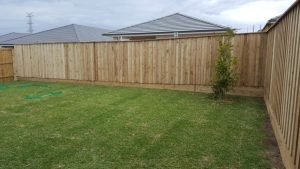
Colorbond fencing is commonly the simplest course to that sort of cohesion. The trick is selecting a shade that supports the warmth, rather than one that takes on it. I have actually seen fences fail in 2 common ways: either they're as well grey and make the entire facade feel cooler than it in fact is, or they're too close to the block so they mix into the structure like a missed connection. When you obtain it right, the fence becomes the stable structure that makes the house really feel complete.
Below are the Colorbond fence colors that many dependably fit warm, natural homes, plus the real-world factors to consider that determine whether a great-looking color ends up being a beautiful install.
Start with the undertone, not the name on the brochure
People shop Colorbond the way they would certainly pick paint. They scan "Sandstone" or "Wheat" or "Woodland Grey," and they think the name tells the story. Occasionally it does, however undertone matters greater than the label.
Earthy homes typically lean warm in several of these methods:
- brick or make touches run yellow, honey, or peach timber aspects feel cozy, not ashy landscaping is hefty on golds, browns, corroded reds, and greens that rest closer to olive than emerald
If your fencing color leans also awesome, like numerous greys with a blue actors, it can make the house appearance washed out. If the fence is too warm however as well intense, it can become a "banner" that draws the eye far from the architecture.
The most beneficial routine I've grabbed is to compare example swatches outdoors at two times of day. Noontime sunlight exaggerates comparison, while late afternoon light exposes touch. If you can, hold the swatch beside the real brick or make, not just a paint chip. Also a few mins of side-by-side contrast can conserve you from a fencing color that looks penalty in the shed yet wrong on the street.
Best Colorbond fence shades for warm, earthy homes
There's no solitary "best" color. There are best-fit colors, depending on whether your home reads more Mediterranean, more modern-day natural, or even more rustic. Still, a couple of tones earn repeat mounts due to the fact that they play well with cozy products and exterior planting.
Monument: cozy stone, tidy and confident
Monument is one of those choices that looks solid in reality. It reads as a deep greige or warm charcoal relying on illumination. On natural homes, Monument usually behaves like "aged masonry" as opposed to an awesome grey fence.
I have actually seen it function particularly well when:
- your home has tan, sandstone, or off-white brick you have black or dark bronze window frames your garden includes natural greys in the hardscape, like crushed rock courses or tipping stones
Trade-off to enjoy: Monolith has sufficient deepness that it can feel aesthetically heavier on little frontages. If your exterior is currently dark, or if you're planning a tall fence near your home, go lighter somewhere else or take into consideration paneling style to separate the mass.
Shale Grey: soft modern-day warmth
Shale Grey sits in that sweet area in between grey and beige. It's muted sufficient to really feel all-natural with cozy architecture, yet structured enough to look "designed," not accidental.
In useful terms, Shale Grey has a tendency to fit:
- warm greige renders homes with sedimentary rock or sand-coloured stone accents properties where you want the fencing to go away somewhat right into the landscape, then expose information up close
Edge case: If your brick is very red-brown and your landscape design has a lot of saturated terracotta, Shale Grey can occasionally make the fencing feel also tranquil contrasted to the remainder. Not constantly a negative thing, yet if you desire much more comparison, you might favor a much deeper tone like Monument and even a cozy light choice like Sandstone.
Sandstone: the "blend and glow" choice
Sandstone is a traditional for warm, natural homes since it often tends to keep the combination cozy and brilliant without jumping into a neon tan. When it functions, it makes the fencing seem like part of the landscape, specifically with light brickwork, cream provide, and tan timber.
On-site, Sandstone commonly looks finest when:
- your home's front altitude consists of multiple light surfaces (block, make, stone) you desire a pleasant feel at street level your landscaping includes environment-friendlies and browns that benefit from a light backdrop
Trade-off: If your home facade has extremely similar tones, Sandstone can flatten the style. That's where structure aids. If you're using a fence design with excellent shadow lines, like Colorbond panel profiles with a bit of variation, Sandstone can still look layered instead of blended.
Woodland Grey: natural dark with a natural rhythm
Woodland Grey is frequently picked for clients who want "dark fence" without the starkness of black. It's not as rough. It has a softer depth, frequently described as a green-grey or brown-grey relying on light.
This color can fit warm, earthy homes when you have:
- warm lumber, specifically those with a walnut or cedar tone garden planting that leans olive, sage, or eucalyptus-like greens dark metal accents such as bronze or black tapware, lights, or driveway gates
The primary care: woodland-toned colours can swing. In seaside light, Timberland Grey can drift a touch cooler. If you're in an area with solid coastal direct exposure, don't depend on a screenshot or a pamphlet photo. Use physical examples and examine them at different times of day.
Grey Shale: a darker relative for stronger contrast
Grey Shale is more detailed to a conventional slate grey than several of the softer greiges, and it can provide you contrast without going icy. If your home is warm but your palette requires framework, Grey Shale can provide that.
It's a good alternative when you desire:
- the fence to secure the front yard an extra specified boundary that still feels natural a color that pairs well with both warm brick and darker trims
Trade-off: If your home includes a great deal of grey already, you can end up with an excessively monochrome front. In that instance, think about using a lighter warm greige or keep the dark tone only for entrances or feature panels.
Evening Blue (cautious): cozy homes, strong mood
Some people love the dramatization of darker, much more personality-heavy shades. Evening Blue can work, but it's not a casual "secure pick." It has a tendency to pull attention because it's plainly not neutral.
Use it when your natural home already includes an aesthetic friend for blue tones, also refined ones:
- dark tarnished lumber with amazing undertones roof tones that review bluish in certain light landscaping with deep blue-grey components, like certain rock types or pots
I'm stating it due to the fact that the payoff can be outstanding when matched purposefully. The downside is that if the remainder of the facade is purely warm off-white and terracotta, Evening Blue can appear like it comes from a different property.
Windspray: warm neutrality with a lighter feel
Windspray frequently suits house owners that want a light fence however do not desire the fence to look as well yellow or sandy. It beings in a mild cozy neutral array. It's a good bridge between warm render and earthy landscaping.

This color can be excellent if:
- your home is mid-tone, like light block or lotion render you wish to keep the street feel airy you have a lot of plant that will certainly do the hefty training visually
Edge case: If your roof or home window trims are very dark, Windspray provides a softer comparison than you may anticipate. That can be exactly what you desire, yet if your layout objective is "sharp and defined," a deeper choice like Monument might be extra satisfying.
Colorbond fence colors by "home vibe," not just by color
People typically ask Colorbond fencing installers, building contractors, or professionals what will "choose" their area. The most valuable solutions come from looking at the vibe of the whole facade.
Here's a useful means to consider it:
- If your home feels Mediterranean or resort-like, lighter cozy tones like Sandstone and mild neutrals like Windspray normally land well. If your home is contemporary earthy, muted greiges like Shale Grey are frequently the sweet spot. They bring structure without transforming the exterior cool. If you want the fencing to be a solid framework, much deeper tones like Monolith or Timberland Grey supply that anchoring impact, particularly with dark trims.
That's why it matters to talk with a trusted Colorbond fencing company or installer that can envision the full altitude. A great fencing home builder will certainly inquire about roofing color, window trim, outside doors, and also the driveway surface area, because those components change how your fence reads.
The real-world things that make a decision the "best" color
Choosing the color is only step one. The "best" result comes from understanding exactly how Colorbond fencing is actually installed, exactly how it puts on, and exactly how it looks from actual distances.
Sample it like you live there
If you're getting quotes from Colorbond fence contractors or a Colorbond fencing installer, request samples. Not an electronic sneak peek. Physical examples. And do the side-by-side test outdoors.
I've had jobs where a client enjoyed a shade in mid-day shade. The installer was confident. We still checked it against the brick in noontime light and uncovered the touch was a lot more olive than we anticipated. That small shift transformed the whole feel of the front elevation, and it saved the customer from spending for a fencing they would certainly have regretted.
Consider contrast with roofing system and trim
The fence shade sits in a visual triangular with the roof covering and the window frames. If your roof is dark, a light fencing can brighten the entire building. If your trims are dark, a mid-tone fence can soften sides without disappearing.
But if every little thing is light, a light fence can make the boundary really feel undetectable. That's where a much deeper neutral like Monolith aids. If your house has warm light elements, you do not need black to create meaning, you require depth.
Think about landscape design maturity
A fencing does not stand alone. Landscaping expands. Shrubs complete. Creeping plants climb. The border you see in the initial year is not the like the one you'll see in year three or four.
When I encourage customers, I typically ask: are your gardens developed, or are they still young? If they're young, you'll see the fencing much more plainly for longer. In that case, choose a color that remains stunning without counting on thick growing to soften it.
Fence elevation and panel rhythm alter the color feel
A tall fence makes shade feel heavier. A shorter fence makes it feel much more ventilated. The very same Colorbond color can look different at different elevations due to the fact that your eye analyzes it as either a strong backdrop or a partial frame.
Also, panel style issues. Shadow lines, spacing, and any kind of style aspect on top can add texture. That appearance affects exactly how cozy or grey a shade shows up in sun.
When "warm earthy" becomes too matchy
There's a catch I see with cozy, natural homes. Home owners frequently want the fence to "blend" and pick a color also near their brick or make. The fence then disappears, and the border looks unfinished, like it's missing out on contrast.
You can repair that in among 3 methods:
- choose a fence color with a somewhat different lightness value than the facade introduce dark aspects with entrances, posts, or hardware pick a color that carries undertone, not just brightness, so it checks out as relevant yet distinct
If you're dealing with a Colorbond fence builder or a Colorbond fencing installer, inquire to reveal you combinations of fence, gateway, and article colors that look cohesive from the road. Eviction often handles a disproportionate function visually, since it's where individuals look when they draw up.
Colorbond fence shades that match well with popular earthy materials
You can make choices less complicated by believing in pairings. Below are some common material combinations I see on warm builds, and which fence tones normally match them.
Warm block and tan render
Monument, Shale Grey, and Sandstone often tend to function well due to the fact that they either include depth or preserve cozy harmony.
colorbond fence panelsA great deal depends on whether your block is extra off-white or more red-brown. Off-white block frequently looks terrific with Monolith or Sandstone. Red-brown brick can look sensational with Forest Grey, because the undertone relationship feels all-natural when it matches the garden greens.
Timber accents
If your wood is warm cedar, walnut, or honey-toned, Woodland Grey and Shale Grey often look intentional. If your timber is extra ashy or grey-stained, think about Monolith or Grey Shale to stay clear of an awkward cool-warm clash.
Limestone and light rock features
Sandstone and Windspray are frequently the secure success, especially when the rest of the facade is light and you want the fence to behave like background texture.
If the stone is really light, a lighter fencing is flexible. If the rock is a mid-tone, you might prefer a slightly much deeper greige such as Shale Grey for better definition.
A fast decision filter before you authorize a contract
This is the minute where several house owners rush, and I get it. Your builder desires choices made. Quotes get on the table. You desire the process to move.
Take 10 minutes to sanity-check your choice outdoors. Right here's a short filter that has helped me guide clients toward the appropriate color without overthinking it.
- Compare the fence sample alongside your real block or make in daytime and in late afternoon light Stand back at the street equivalent range, or a minimum of from across the driveway, and search for contrast Decide if you desire the fence to secure the exterior (darker) or soften it (lighter) Match undertones, not simply brightness, specifically if you have warm hardwood or bronze fittings Confirm that your gateway color and article color belong to the same scheme, not an afterthought
What to ask a Colorbond fencing company prior to they install
Colorbond secure fencing is long lasting, yet completion look depends upon handiwork as much as it does on the chosen color. A clean line, appropriate blog post spacing, straight positioning, and cautious trimming can turn a "great" color into a "great" one.
When you're speaking with a Colorbond fencing contractors' crew, a Colorbond fencing company, or a Colorbond fencing installer, ask concerns that disclose just how they assume. You're trying to find professionals that chat via details, not simply pricing.
If you intend to keep this straightforward, focus on these factors:
- whether they can supply physical shade samples and advice for your certain outside palette how they deal with boundary details, especially on uneven ground what mendings and capping options they recommend for your height and environment whether they'll consist of gateways, hardware, and matching blog posts in the very same color plan
A strong Colorbond fencing builder will likewise consider direct exposure. Areas with more seaside wind or salt, as an example, can affect the means colors age aesthetically. Also when the coating system is created for toughness, the lived look gradually can still vary.
Example mixes I've seen work with actual warm builds
Every residence is different, but these mixes turn up because they address common problems.
If your exterior is cozy off-white and you have dark window frameworks: select Monument for the fence. It provides sufficient depth to specify the border without encountering the warmth.
If your home is light provide with natural stone and you desire a soft feeling: choose Sandstone or Windspray. It maintains the road frontage airy and natural, particularly with mature environment-friendly planting.
If your home uses cozy timber and you desire a dark yet not black appearance: select Woodland Grey. It harmonizes with nature and reviews less rough than a pure charcoal on many elevations.
If your brick is much more red-brown and you want an earthy modern-day contrast: Shale Grey or Grey Shale often feels right, because it includes calm framework and allows terracotta and greenery remain the stars.
These are not global formulas, but they're trustworthy beginning factors. The "best" color commonly originates from tiny adjustments, like seeing to it eviction utilizes the exact same undertone as the fencing or picking a fence elevation that maintains the shade from frustrating the facade.
Colorbond fencing colors and maintenance: what changes by shade
Color does affect how a fence checks out gradually, specifically in sunlight exposure. In functional terms, darker shades can reveal dirt and fine marks more clearly, while lighter shades can show scuffs in different ways. That claimed, Colorbond fencing is developed for outside problems and normal rainfall clean will certainly help it remain looking consistent.
What matters most is consistency in cleansing and quick spot checks if you live near dustier roads or have regular fallen leave decrease. If you select a darker shade like Monolith or Timberland Grey, I normally suggest simple upkeep practices. Not hefty job, just occasional rinsing or a mild clean when build-up occurs.
If you have actually obtained animals, kids, or regular outside activity near the fencing, the "finest color" is additionally the one you want to keep looking excellent. Light shades can hide some marks, yet not all. Dark shades can feel a lot more forgiving of certain wear patterns, however they can also reveal scuffs that lighter shades soften. There's no best response, only the one that fits your lifestyle.
Two shade preparation situations that often decide everything
Sometimes the appropriate color relies on whether you're attempting to develop unity or produce separation.
Scenario 1: You desire the fencing to feel like part of the architecture
Go for soft cozy greiges and stone-like tones. Shale Grey, Sandstone, and Windspray can make the fencing really feel built-in, like it was constantly suggested to be there.
Scenario 2: You desire the fence to define a border strongly
Go for deeper neutrals. Monument or Woodland Grey give that framework and make the backyard really feel deliberate. This is especially useful if your front yard is wide open or your frontage doesn't have strong dark elements.
If you're collaborating with a Colorbond fence company, you can commonly request support on which situation fits your outside. A good installer will inform you when a color option looks "as well blended" or when it takes the chance of ending up being as well dominant.
Final choices, if you desire a shortlist
If you desire the simplest shortlist of Colorbond fence colors for warm, earthy homes, these are the shades I 'd most often put forward due to the fact that they stay trustworthy throughout a variety of warm products. Monolith, Shale Grey, Sandstone, Woodland Grey, and Windspray are the core group.
From there, the "best" color is usually one choice away, based upon touch and contrast with roofing and trim. That's why it deserves taking sample contrasts seriously, and why choosing the ideal Colorbond fencing installer or contractor can matter. The very best shade is the one that looks right when it's mounted, right, and component of your full streetscape.
If you're presently comparing quotes from Colorbond fence contractors, concentrate on color examples, exactly how they take care of gateways and articles, and whether they've installed comparable tones on cozy, earthy homes prior to. You'll obtain faster, far better answers than by chasing after the ideal shade name alone.